Friday, January 22, 2010

It's not the Tel Dan Inscription, but...


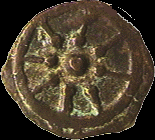
This is the exact "mite" that I have worn for years - Bodhidharma wheel being visible. For a 2200 year old half lead, half brass coin, it's not all that shabby.

Is it a "smoking gun" that convicts the folks in the Levant in terms of cultural borrowing? No, it is circumstantial evidence. But it remains compelling when compared to the complete absence of evidence to the contrary.

Thursday, January 21, 2010

The Widow - spun of 2 yarns.


Once upon a time a destitute widow observed a religious assembly of hermits on the mountain. Uttering praises filled with joy she said, "While others give precious things such as the ocean caves produce, I have nothing to offer." Having thus spoken, she searched herself in vain for something to give. Then she recalled that she had found two small coppers in a great dung-heap, so she offered them forthwith as a gift of charity to the monks.*

The elder of the monks, an arahant (bodha-vista: one who sees Bodhisattva in folks), disregarding the rich gifts of others, observing bodhi dwelling in the heart of this poor widow, and wishing the adepts to esteem her merit, raised his right hand and said, "Venerable Masters, attend!" and then he proceeded:

"The poor coppers of this widow
To all purpose are worth
More than oceans treasures
Or wealth of this broad earth.

"An act born of intentions pure
She has done this pious deed;
(And) attained her own salvation,
Now free from selfish greed
."
(see, for example)

Nice, eh? Well round abouts 400 years later, this yarn is widow spun: (Mark 12:41-44)

Ixeus sat opposite the place where offerings were placed and observed various folks. Many rich folks offered large amounts. By and by, a poor widow came along and put in two copper lepta, worth only half a prutah (Dilepton).

Calling his disciples thither, Jesus said, "I'm telling you, this poor widow has put more into the treasury than the others. They gave of their wealth; but she, in poverty, gave all her wealth." see ESV

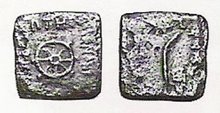
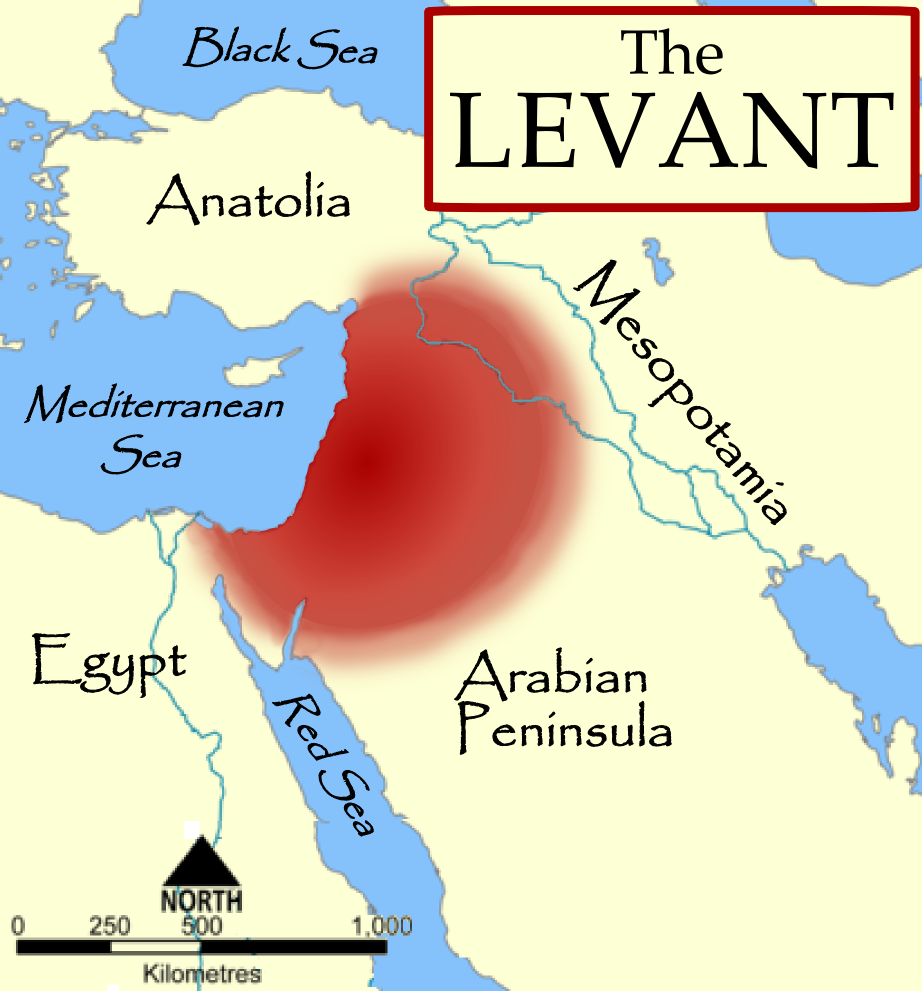
Now this Xtian fable has always brought up a question: "Why is the wheel of dharma on coins found throughout the Levant?"


*The Buddhist parable is superior. The moral is: "Even born of pure intentions, people are bound to give you a little shit."

Wednesday, January 13, 2010

We are not from this place.

That Sagittarian galaxy collided with the Milkey way and our solar system was captured. That is why the disk of the Milkey way is inclined as viewed from Earth.

Hmmm... we ARE among aliens in this galaxy. I love it.

Tuesday, January 12, 2010

Book Club Selection (Mysterion's book of the month)

The Poison King: The Life and Legend of Mithradates, Rome's Deadliest Enemy
By Adrienne Mayor

"Mithradates inherited a wealthy Black Sea kingdom at age fourteen after his mother poisoned his father."

"Machiavelli praised his military genius. European royalty sought out his secret elixir against poison. His life inspired Mozart's first opera, while for centuries poets and playwrights recited bloody, romantic tales of his victories, defeats, intrigues, concubines, and mysterious death. But until now no modern historian has recounted the full story of Mithradates, the ruthless king and visionary rebel who challenged the power of Rome in the first century BC. In this richly illustrated book--the first biography of Mithradates in fifty years--Adrienne Mayor combines a storyteller's gifts with the most recent archaeological and scientific discoveries to tell the tale of Mithradates as it has never been told before." SOURCE

Wink, wink, nudge, nudge, say no more, say no more.