skip to main |
skip to sidebar

Copyright 1986
[Copyright 2003]

West Highland Terrier mix.
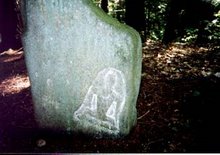
Nearon Stone Petroglyph, Shutesbury, MA

Buddhist Coin of Israel
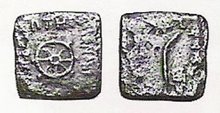
Buddhist Coin (Greek)

Ptolemy II, Egypt
The adjective mystikos suggests a hidden thing. A postulate is a theory from which a further idea is developed.
Time:
Haiku KU
Copyright 1986
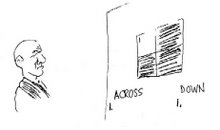
Zen Crossword Puzzle
[Copyright 2003]
New rescued Dog!!!
West Highland Terrier mix.
Ancient American Buddha

Nearon Stone Petroglyph, Shutesbury, MA
About Moi
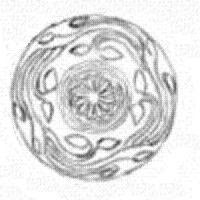
Mythology and Folklore
The "Widow's Mite"
Buddhist Coin of Israel
Menander I
Buddhist Coin (Greek)
Milanda Panna
The Milanda Panna is a famous work of Buddhist literature, probably compiled in the 1st century B.C. It presents Buddhist doctrine in a dialogue between a Bactrian Greek, Menander I, who plays the 'Devil's Advocate' and a Buddhist sage, Nagasena. The introduction outlines the historical background against which the dialogues took place, indicating the meeting of two great cultures that of ancient Greece and the Buddhism of the Indus valley, which was the legacy of the great Emperor Asoka.
Chi Rho 225BCE
Ptolemy II, Egypt
Blog Archive
-
▼
2019
(92)
- ► 06/02 - 06/09 (4)
- ► 05/26 - 06/02 (2)
- ► 05/19 - 05/26 (5)
- ► 05/12 - 05/19 (7)
- ► 05/05 - 05/12 (4)
- ► 04/28 - 05/05 (2)
- ► 04/21 - 04/28 (7)
- ► 04/14 - 04/21 (6)
- ► 04/07 - 04/14 (4)
- ► 03/31 - 04/07 (2)
- ► 03/24 - 03/31 (1)
- ► 03/17 - 03/24 (3)
- ► 03/10 - 03/17 (2)
- ► 03/03 - 03/10 (6)
- ► 02/24 - 03/03 (4)
- ► 02/10 - 02/17 (3)
- ► 02/03 - 02/10 (4)
- ► 01/27 - 02/03 (7)
- ► 01/20 - 01/27 (6)
- ► 01/13 - 01/20 (7)
- ► 01/06 - 01/13 (4)
-
►
2018
(198)
- ► 12/30 - 01/06 (4)
- ► 12/23 - 12/30 (5)
- ► 12/16 - 12/23 (4)
- ► 12/09 - 12/16 (5)
- ► 12/02 - 12/09 (2)
- ► 11/25 - 12/02 (2)
- ► 11/18 - 11/25 (4)
- ► 11/11 - 11/18 (6)
- ► 11/04 - 11/11 (4)
- ► 10/28 - 11/04 (4)
- ► 10/14 - 10/21 (4)
- ► 10/07 - 10/14 (1)
- ► 09/30 - 10/07 (4)
- ► 09/23 - 09/30 (4)
- ► 09/16 - 09/23 (1)
- ► 09/09 - 09/16 (5)
- ► 09/02 - 09/09 (6)
- ► 08/26 - 09/02 (6)
- ► 08/19 - 08/26 (6)
- ► 08/12 - 08/19 (5)
- ► 08/05 - 08/12 (4)
- ► 07/29 - 08/05 (4)
- ► 07/22 - 07/29 (2)
- ► 07/15 - 07/22 (7)
- ► 07/08 - 07/15 (6)
- ► 07/01 - 07/08 (5)
- ► 06/24 - 07/01 (4)
- ► 06/17 - 06/24 (7)
- ► 06/10 - 06/17 (7)
- ► 06/03 - 06/10 (6)
- ► 05/27 - 06/03 (4)
- ► 05/20 - 05/27 (5)
- ► 05/06 - 05/13 (1)
- ► 04/29 - 05/06 (2)
- ► 04/22 - 04/29 (2)
- ► 04/15 - 04/22 (2)
- ► 04/01 - 04/08 (7)
- ► 03/25 - 04/01 (3)
- ► 03/18 - 03/25 (6)
- ► 03/11 - 03/18 (3)
- ► 03/04 - 03/11 (4)
- ► 02/25 - 03/04 (4)
- ► 02/11 - 02/18 (1)
- ► 02/04 - 02/11 (3)
- ► 01/28 - 02/04 (6)
- ► 01/21 - 01/28 (4)
- ► 01/14 - 01/21 (4)
- ► 01/07 - 01/14 (3)
-
►
2017
(175)
- ► 12/31 - 01/07 (4)
- ► 12/24 - 12/31 (5)
- ► 12/17 - 12/24 (2)
- ► 12/10 - 12/17 (1)
- ► 12/03 - 12/10 (4)
- ► 11/26 - 12/03 (3)
- ► 11/19 - 11/26 (3)
- ► 11/12 - 11/19 (1)
- ► 11/05 - 11/12 (4)
- ► 10/29 - 11/05 (6)
- ► 10/22 - 10/29 (6)
- ► 10/15 - 10/22 (4)
- ► 10/08 - 10/15 (5)
- ► 10/01 - 10/08 (5)
- ► 09/24 - 10/01 (6)
- ► 09/17 - 09/24 (3)
- ► 09/10 - 09/17 (4)
- ► 09/03 - 09/10 (6)
- ► 08/27 - 09/03 (8)
- ► 08/20 - 08/27 (8)
- ► 08/13 - 08/20 (5)
- ► 08/06 - 08/13 (6)
- ► 07/30 - 08/06 (4)
- ► 07/23 - 07/30 (6)
- ► 07/16 - 07/23 (6)
- ► 07/09 - 07/16 (7)
- ► 07/02 - 07/09 (6)
- ► 06/25 - 07/02 (1)
- ► 06/18 - 06/25 (2)
- ► 06/11 - 06/18 (1)
- ► 06/04 - 06/11 (5)
- ► 05/28 - 06/04 (3)
- ► 05/21 - 05/28 (9)
- ► 05/14 - 05/21 (4)
- ► 05/07 - 05/14 (2)
- ► 04/30 - 05/07 (4)
- ► 04/16 - 04/23 (2)
- ► 04/02 - 04/09 (1)
- ► 03/12 - 03/19 (2)
- ► 03/05 - 03/12 (2)
- ► 02/19 - 02/26 (2)
- ► 02/12 - 02/19 (2)
- ► 02/05 - 02/12 (2)
- ► 01/29 - 02/05 (2)
- ► 01/15 - 01/22 (1)
-
►
2016
(41)
- ► 12/25 - 01/01 (1)
- ► 12/18 - 12/25 (2)
- ► 11/13 - 11/20 (1)
- ► 10/23 - 10/30 (3)
- ► 10/16 - 10/23 (1)
- ► 10/02 - 10/09 (1)
- ► 09/25 - 10/02 (1)
- ► 09/18 - 09/25 (1)
- ► 08/28 - 09/04 (1)
- ► 08/21 - 08/28 (2)
- ► 08/14 - 08/21 (4)
- ► 08/07 - 08/14 (1)
- ► 07/03 - 07/10 (1)
- ► 06/26 - 07/03 (1)
- ► 06/05 - 06/12 (1)
- ► 04/17 - 04/24 (2)
- ► 03/20 - 03/27 (1)
- ► 03/06 - 03/13 (1)
- ► 02/28 - 03/06 (3)
- ► 02/21 - 02/28 (1)
- ► 02/14 - 02/21 (1)
- ► 02/07 - 02/14 (2)
- ► 01/31 - 02/07 (4)
- ► 01/24 - 01/31 (2)
- ► 01/17 - 01/24 (1)
- ► 01/10 - 01/17 (1)
-
►
2015
(37)
- ► 12/27 - 01/03 (1)
- ► 11/29 - 12/06 (4)
- ► 11/22 - 11/29 (1)
- ► 10/25 - 11/01 (1)
- ► 10/18 - 10/25 (1)
- ► 10/11 - 10/18 (3)
- ► 10/04 - 10/11 (4)
- ► 09/27 - 10/04 (1)
- ► 09/13 - 09/20 (2)
- ► 08/16 - 08/23 (2)
- ► 07/26 - 08/02 (1)
- ► 07/19 - 07/26 (1)
- ► 07/05 - 07/12 (1)
- ► 04/19 - 04/26 (1)
- ► 04/05 - 04/12 (2)
- ► 03/22 - 03/29 (1)
- ► 03/15 - 03/22 (1)
- ► 03/08 - 03/15 (1)
- ► 03/01 - 03/08 (1)
- ► 02/15 - 02/22 (1)
- ► 02/01 - 02/08 (1)
- ► 01/25 - 02/01 (1)
- ► 01/18 - 01/25 (1)
- ► 01/11 - 01/18 (1)
- ► 01/04 - 01/11 (2)
-
►
2014
(18)
- ► 12/28 - 01/04 (1)
- ► 12/14 - 12/21 (1)
- ► 12/07 - 12/14 (1)
- ► 11/30 - 12/07 (1)
- ► 11/23 - 11/30 (1)
- ► 11/16 - 11/23 (1)
- ► 11/02 - 11/09 (1)
- ► 10/26 - 11/02 (1)
- ► 10/19 - 10/26 (1)
- ► 08/10 - 08/17 (1)
- ► 07/20 - 07/27 (2)
- ► 07/06 - 07/13 (1)
- ► 06/08 - 06/15 (1)
- ► 05/25 - 06/01 (1)
- ► 05/18 - 05/25 (1)
- ► 03/02 - 03/09 (2)
-
►
2013
(17)
- ► 10/20 - 10/27 (1)
- ► 10/06 - 10/13 (1)
- ► 09/22 - 09/29 (1)
- ► 09/15 - 09/22 (2)
- ► 09/08 - 09/15 (1)
- ► 09/01 - 09/08 (1)
- ► 08/25 - 09/01 (1)
- ► 08/18 - 08/25 (2)
- ► 08/11 - 08/18 (1)
- ► 07/28 - 08/04 (1)
- ► 07/14 - 07/21 (2)
- ► 06/30 - 07/07 (1)
- ► 06/09 - 06/16 (1)
- ► 05/12 - 05/19 (1)
-
►
2012
(6)
- ► 11/11 - 11/18 (1)
- ► 06/17 - 06/24 (1)
- ► 04/29 - 05/06 (1)
- ► 01/29 - 02/05 (2)
- ► 01/08 - 01/15 (1)
-
►
2011
(21)
- ► 12/25 - 01/01 (1)
- ► 12/18 - 12/25 (1)
- ► 12/11 - 12/18 (1)
- ► 11/27 - 12/04 (1)
- ► 11/13 - 11/20 (1)
- ► 10/30 - 11/06 (1)
- ► 10/09 - 10/16 (1)
- ► 09/25 - 10/02 (2)
- ► 08/28 - 09/04 (1)
- ► 07/31 - 08/07 (1)
- ► 07/24 - 07/31 (1)
- ► 04/10 - 04/17 (1)
- ► 04/03 - 04/10 (1)
- ► 03/13 - 03/20 (1)
- ► 03/06 - 03/13 (1)
- ► 02/27 - 03/06 (1)
- ► 02/13 - 02/20 (1)
- ► 02/06 - 02/13 (1)
- ► 01/23 - 01/30 (2)
-
►
2010
(96)
- ► 12/26 - 01/02 (2)
- ► 12/19 - 12/26 (2)
- ► 11/07 - 11/14 (2)
- ► 10/24 - 10/31 (1)
- ► 10/03 - 10/10 (1)
- ► 09/26 - 10/03 (1)
- ► 09/12 - 09/19 (2)
- ► 09/05 - 09/12 (1)
- ► 08/29 - 09/05 (2)
- ► 08/22 - 08/29 (2)
- ► 08/15 - 08/22 (3)
- ► 08/08 - 08/15 (1)
- ► 08/01 - 08/08 (2)
- ► 07/25 - 08/01 (1)
- ► 07/18 - 07/25 (1)
- ► 07/11 - 07/18 (3)
- ► 07/04 - 07/11 (2)
- ► 06/20 - 06/27 (3)
- ► 06/13 - 06/20 (3)
- ► 06/06 - 06/13 (3)
- ► 05/30 - 06/06 (3)
- ► 05/23 - 05/30 (2)
- ► 05/16 - 05/23 (4)
- ► 05/09 - 05/16 (1)
- ► 04/25 - 05/02 (1)
- ► 04/18 - 04/25 (3)
- ► 04/11 - 04/18 (2)
- ► 04/04 - 04/11 (2)
- ► 03/28 - 04/04 (2)
- ► 03/21 - 03/28 (2)
- ► 03/14 - 03/21 (1)
- ► 03/07 - 03/14 (4)
- ► 02/28 - 03/07 (3)
- ► 02/21 - 02/28 (3)
- ► 02/14 - 02/21 (5)
- ► 02/07 - 02/14 (6)
- ► 01/31 - 02/07 (3)
- ► 01/24 - 01/31 (4)
- ► 01/17 - 01/24 (4)
- ► 01/10 - 01/17 (2)
- ► 01/03 - 01/10 (1)
-
►
2009
(2)
- ► 09/13 - 09/20 (1)
- ► 02/15 - 02/22 (1)
-
►
2008
(3)
- ► 11/02 - 11/09 (1)
- ► 05/11 - 05/18 (1)
- ► 02/10 - 02/17 (1)
-
►
2007
(4)
- ► 12/16 - 12/23 (1)
- ► 11/25 - 12/02 (1)
- ► 07/01 - 07/08 (1)
- ► 06/17 - 06/24 (1)